
 https://www.gpayments.com/blog/wp-content/uploads/2026/10/Japan-EMV-3DS-scaled.jpg
1435
2560
Zeeshan Rizvi
https://blog.gpayments.com/wp-content/uploads/2022/05/Logo_Black_on_White_lowres-300x80.png
Zeeshan Rizvi2026-10-30 13:09:442026-10-30 13:09:46What the Japan EMV 3DS Requirement Means for Issuers and Merchants
 https://www.gpayments.com/blog/wp-content/uploads/2026/10/Stale-Cardholder-Contact-Data-scaled.jpg
1421
2560
Zeeshan Rizvi
https://blog.gpayments.com/wp-content/uploads/2022/05/Logo_Black_on_White_lowres-300x80.png
Zeeshan Rizvi2026-10-30 09:34:552026-10-30 09:34:57How Stale Cardholder Contact Data Breaks 3DS Challenges
 https://www.gpayments.com/blog/wp-content/uploads/2026/10/Australia-CNP-Fraud-Stats-scaled.jpg
1918
2560
Zeeshan Rizvi
https://blog.gpayments.com/wp-content/uploads/2022/05/Logo_Black_on_White_lowres-300x80.png
Zeeshan Rizvi2026-10-29 12:29:482026-10-29 12:29:51What Australia’s CNP Fraud Statistics Say About Authentication
 https://www.gpayments.com/blog/wp-content/uploads/2026/10/Third-Party-Cookies-scaled.jpg
1920
2560
Zeeshan Rizvi
https://blog.gpayments.com/wp-content/uploads/2022/05/Logo_Black_on_White_lowres-300x80.png
Zeeshan Rizvi2026-10-29 12:26:082026-10-29 12:26:08How Restrictions on Third-Party Cookies Affect the 3DS Method
 https://www.gpayments.com/blog/wp-content/uploads/2026/10/Accessible-Digital-Payments-scaled.jpg
1707
2560
Zeeshan Rizvi
https://blog.gpayments.com/wp-content/uploads/2022/05/Logo_Black_on_White_lowres-300x80.png
Zeeshan Rizvi2026-10-29 12:14:202026-10-29 12:14:21What the European Accessibility Act Means for 3DS Challenge Screens
 https://www.gpayments.com/blog/wp-content/uploads/2026/10/Singapore-ePayments-scaled.jpg
1625
2560
Zeeshan Rizvi
https://blog.gpayments.com/wp-content/uploads/2022/05/Logo_Black_on_White_lowres-300x80.png
Zeeshan Rizvi2026-10-29 11:49:152026-10-29 11:49:16How Singapore’s E-Payments User Protection Guidelines Apply to Card Authentication
 https://www.gpayments.com/blog/wp-content/uploads/2026/10/3DS-Latency-scaled.jpg
1440
2560
Zeeshan Rizvi
https://blog.gpayments.com/wp-content/uploads/2022/05/Logo_Black_on_White_lowres-300x80.png
Zeeshan Rizvi2026-10-29 11:41:382026-10-29 11:50:41Where 3DS Latency Comes from and How to Reduce It
 https://www.gpayments.com/blog/wp-content/uploads/2026/10/Secure-Payment-Duplicate-Check.png
941
1672
Zeeshan Rizvi
https://blog.gpayments.com/wp-content/uploads/2022/05/Logo_Black_on_White_lowres-300x80.png
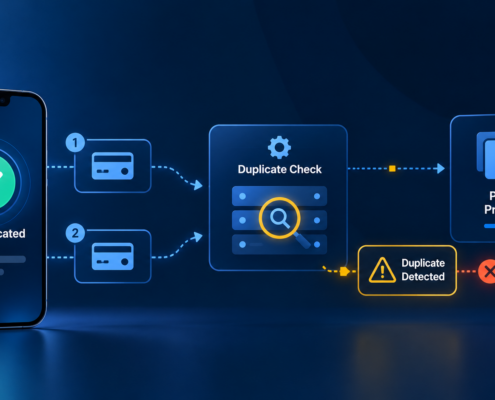
Zeeshan Rizvi2026-10-28 13:13:462026-10-28 13:13:48How to Prevent Duplicate Payments After a 3DS Challenge
 https://www.gpayments.com/blog/wp-content/uploads/2026/10/Secure-Authentication-Data-Flow-Dashboard-1.png
675
1200
Zeeshan Rizvi
https://blog.gpayments.com/wp-content/uploads/2022/05/Logo_Black_on_White_lowres-300x80.png
Zeeshan Rizvi2026-10-28 11:37:592026-10-28 11:38:00How Issuers Can Detect Scams After a Successful 3DS Challenge