
Tag Archive for: 3DS2
 https://www.gpayments.com/blog/wp-content/uploads/2026/09/Challenge-iFrame-Settings-scaled.jpg
1707
2560
Zeeshan Rizvi
https://blog.gpayments.com/wp-content/uploads/2022/05/Logo_Black_on_White_lowres-300x80.png
Zeeshan Rizvi2026-09-30 11:00:002026-09-30 10:07:00The 3DS challenge iframe settings that are now requirements rather than recommendations
https://www.gpayments.com/blog/wp-content/uploads/2026/09/Challenge-iFrame-Settings-scaled.jpg
1707
2560
Zeeshan Rizvi
https://blog.gpayments.com/wp-content/uploads/2022/05/Logo_Black_on_White_lowres-300x80.png
Zeeshan Rizvi2026-09-30 11:00:002026-09-30 10:07:00The 3DS challenge iframe settings that are now requirements rather than recommendations https://www.gpayments.com/blog/wp-content/uploads/2026/09/3DS-Bridging-scaled.jpg
1707
2560
Zeeshan Rizvi
https://blog.gpayments.com/wp-content/uploads/2022/05/Logo_Black_on_White_lowres-300x80.png
Zeeshan Rizvi2026-09-24 12:00:002026-09-24 12:36:40How Bridging Message Extensions Support New Features in Older 3DS Products
https://www.gpayments.com/blog/wp-content/uploads/2026/09/3DS-Bridging-scaled.jpg
1707
2560
Zeeshan Rizvi
https://blog.gpayments.com/wp-content/uploads/2022/05/Logo_Black_on_White_lowres-300x80.png
Zeeshan Rizvi2026-09-24 12:00:002026-09-24 12:36:40How Bridging Message Extensions Support New Features in Older 3DS Products https://www.gpayments.com/blog/wp-content/uploads/2026/09/Payment-Authentication-scaled.jpg
1707
2560
Zeeshan Rizvi
https://blog.gpayments.com/wp-content/uploads/2022/05/Logo_Black_on_White_lowres-300x80.png
Zeeshan Rizvi2026-09-23 11:00:502026-09-23 11:00:51When an Issuer Lets the Merchant Authenticate the Cardholder
https://www.gpayments.com/blog/wp-content/uploads/2026/09/Payment-Authentication-scaled.jpg
1707
2560
Zeeshan Rizvi
https://blog.gpayments.com/wp-content/uploads/2022/05/Logo_Black_on_White_lowres-300x80.png
Zeeshan Rizvi2026-09-23 11:00:502026-09-23 11:00:51When an Issuer Lets the Merchant Authenticate the Cardholder https://www.gpayments.com/blog/wp-content/uploads/2026/09/Secure-Digital-Payment-scaled.jpg
1429
2560
Zeeshan Rizvi
https://blog.gpayments.com/wp-content/uploads/2022/05/Logo_Black_on_White_lowres-300x80.png
Zeeshan Rizvi2026-09-23 09:58:142026-09-23 09:58:15How Trust Lists Reduce Challenges for Merchants Cardholders Trust
https://www.gpayments.com/blog/wp-content/uploads/2026/09/Secure-Digital-Payment-scaled.jpg
1429
2560
Zeeshan Rizvi
https://blog.gpayments.com/wp-content/uploads/2022/05/Logo_Black_on_White_lowres-300x80.png
Zeeshan Rizvi2026-09-23 09:58:142026-09-23 09:58:15How Trust Lists Reduce Challenges for Merchants Cardholders Trust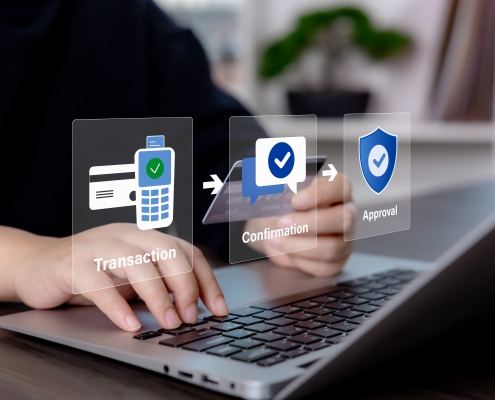 https://www.gpayments.com/blog/wp-content/uploads/2026/09/Digital-Payment-Workflow-scaled.jpg
1707
2560
Zeeshan Rizvi
https://blog.gpayments.com/wp-content/uploads/2022/05/Logo_Black_on_White_lowres-300x80.png
Zeeshan Rizvi2026-09-23 09:28:142026-09-23 09:40:06How Exemptions Are Requested, Granted and Reported Across the 3DS Message Flow
https://www.gpayments.com/blog/wp-content/uploads/2026/09/Digital-Payment-Workflow-scaled.jpg
1707
2560
Zeeshan Rizvi
https://blog.gpayments.com/wp-content/uploads/2022/05/Logo_Black_on_White_lowres-300x80.png
Zeeshan Rizvi2026-09-23 09:28:142026-09-23 09:40:06How Exemptions Are Requested, Granted and Reported Across the 3DS Message Flow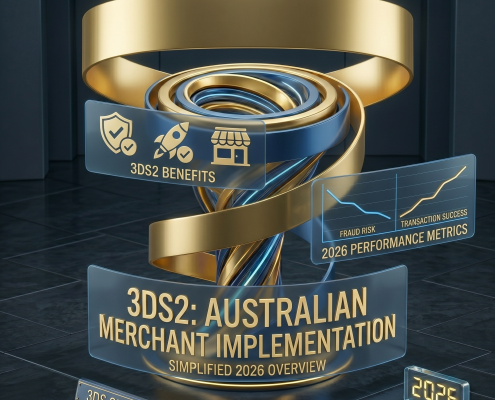 https://www.gpayments.com/blog/wp-content/uploads/2026/04/Gemini_Generated_Image_43zcio43zcio43zc.png
2048
2048
Gelareh
https://blog.gpayments.com/wp-content/uploads/2022/05/Logo_Black_on_White_lowres-300x80.png
Gelareh2026-04-30 11:07:522026-05-25 14:47:103-D Secure for Australian Merchants: What You Need to Know in 2026
https://www.gpayments.com/blog/wp-content/uploads/2026/04/Gemini_Generated_Image_43zcio43zcio43zc.png
2048
2048
Gelareh
https://blog.gpayments.com/wp-content/uploads/2022/05/Logo_Black_on_White_lowres-300x80.png
Gelareh2026-04-30 11:07:522026-05-25 14:47:103-D Secure for Australian Merchants: What You Need to Know in 2026 https://www.gpayments.com/blog/wp-content/uploads/2026/03/padlock-eu-flag-inside-smart-phone-eu-map-scaled.jpg
1707
2560
Gelareh
https://blog.gpayments.com/wp-content/uploads/2022/05/Logo_Black_on_White_lowres-300x80.png
Gelareh2026-03-24 20:57:002026-03-24 11:33:203D Secure and PSD2 Strong Customer Authentication: A Guide for European and UK PSPs
https://www.gpayments.com/blog/wp-content/uploads/2026/03/padlock-eu-flag-inside-smart-phone-eu-map-scaled.jpg
1707
2560
Gelareh
https://blog.gpayments.com/wp-content/uploads/2022/05/Logo_Black_on_White_lowres-300x80.png
Gelareh2026-03-24 20:57:002026-03-24 11:33:203D Secure and PSD2 Strong Customer Authentication: A Guide for European and UK PSPs https://www.gpayments.com/blog/wp-content/uploads/2026/03/gpayments-banner-v2-1200x675-1.png
675
1200
Robin
https://blog.gpayments.com/wp-content/uploads/2022/05/Logo_Black_on_White_lowres-300x80.png
Robin2026-03-17 11:45:282026-03-23 13:02:38What Is 3D Secure? A Complete 2026 Guide for Enterprise Payment Teams
https://www.gpayments.com/blog/wp-content/uploads/2026/03/gpayments-banner-v2-1200x675-1.png
675
1200
Robin
https://blog.gpayments.com/wp-content/uploads/2022/05/Logo_Black_on_White_lowres-300x80.png
Robin2026-03-17 11:45:282026-03-23 13:02:38What Is 3D Secure? A Complete 2026 Guide for Enterprise Payment Teams https://www.gpayments.com/blog/wp-content/uploads/2025/08/new-card-scheme.png
825
1436
Robin
https://blog.gpayments.com/wp-content/uploads/2022/05/Logo_Black_on_White_lowres-300x80.png
Robin2026-02-16 13:26:572026-05-21 18:22:56EMV 3DS 2.x vs 3DS 1.0: What Changed and Why It Matters
https://www.gpayments.com/blog/wp-content/uploads/2025/08/new-card-scheme.png
825
1436
Robin
https://blog.gpayments.com/wp-content/uploads/2022/05/Logo_Black_on_White_lowres-300x80.png
Robin2026-02-16 13:26:572026-05-21 18:22:56EMV 3DS 2.x vs 3DS 1.0: What Changed and Why It Matters https://www.gpayments.com/blog/wp-content/uploads/2026/01/man-hand-touch-virtual-screen-padlock-icon-data-protection-information-privacy-cybersecurity-scaled.jpg
1097
2560
Robin
https://blog.gpayments.com/wp-content/uploads/2022/05/Logo_Black_on_White_lowres-300x80.png
Robin2026-01-15 15:25:422026-05-22 19:11:51The Evolution from Mobile SDK to Default SDK in EMV 3DS
https://www.gpayments.com/blog/wp-content/uploads/2026/01/man-hand-touch-virtual-screen-padlock-icon-data-protection-information-privacy-cybersecurity-scaled.jpg
1097
2560
Robin
https://blog.gpayments.com/wp-content/uploads/2022/05/Logo_Black_on_White_lowres-300x80.png
Robin2026-01-15 15:25:422026-05-22 19:11:51The Evolution from Mobile SDK to Default SDK in EMV 3DS