
 https://www.gpayments.com/blog/wp-content/uploads/2026/07/Secure-Payments.jpg
1333
2000
Zeeshan Rizvi
https://blog.gpayments.com/wp-content/uploads/2022/05/Logo_Black_on_White_lowres-300x80.png
Zeeshan Rizvi2026-07-22 09:54:342026-07-22 09:54:34Choosing a 3DS Server: An Evaluation Guide for Acquirers and PSPs
https://www.gpayments.com/blog/wp-content/uploads/2026/07/Secure-Payments.jpg
1333
2000
Zeeshan Rizvi
https://blog.gpayments.com/wp-content/uploads/2022/05/Logo_Black_on_White_lowres-300x80.png
Zeeshan Rizvi2026-07-22 09:54:342026-07-22 09:54:34Choosing a 3DS Server: An Evaluation Guide for Acquirers and PSPs https://www.gpayments.com/blog/wp-content/uploads/2026/07/Online-banking-scaled.jpg
1707
2560
Zeeshan Rizvi
https://blog.gpayments.com/wp-content/uploads/2022/05/Logo_Black_on_White_lowres-300x80.png
Zeeshan Rizvi2026-07-20 13:03:562026-07-20 13:03:57EMV Token vs Network Token: What Issuers Need to Know for 3DS Provisioning
https://www.gpayments.com/blog/wp-content/uploads/2026/07/Online-banking-scaled.jpg
1707
2560
Zeeshan Rizvi
https://blog.gpayments.com/wp-content/uploads/2022/05/Logo_Black_on_White_lowres-300x80.png
Zeeshan Rizvi2026-07-20 13:03:562026-07-20 13:03:57EMV Token vs Network Token: What Issuers Need to Know for 3DS Provisioning https://www.gpayments.com/blog/wp-content/uploads/2026/07/PSD3-scaled.jpg
1707
2560
Zeeshan Rizvi
https://blog.gpayments.com/wp-content/uploads/2022/05/Logo_Black_on_White_lowres-300x80.png
Zeeshan Rizvi2026-07-17 15:21:372026-07-16 15:27:13PSD3 and the Payment Services Regulation: What Issuers Need to Do Before Late-2027 Enforcement
https://www.gpayments.com/blog/wp-content/uploads/2026/07/PSD3-scaled.jpg
1707
2560
Zeeshan Rizvi
https://blog.gpayments.com/wp-content/uploads/2022/05/Logo_Black_on_White_lowres-300x80.png
Zeeshan Rizvi2026-07-17 15:21:372026-07-16 15:27:13PSD3 and the Payment Services Regulation: What Issuers Need to Do Before Late-2027 Enforcement https://www.gpayments.com/blog/wp-content/uploads/2026/07/RBA-in-Online-Payments-scaled.jpg
1440
2560
Zeeshan Rizvi
https://blog.gpayments.com/wp-content/uploads/2022/05/Logo_Black_on_White_lowres-300x80.png
Zeeshan Rizvi2026-07-17 12:32:392026-07-16 14:21:12RBA Rule Tuning: A Practical Guide to Improving Frictionless Authentication Rates
https://www.gpayments.com/blog/wp-content/uploads/2026/07/RBA-in-Online-Payments-scaled.jpg
1440
2560
Zeeshan Rizvi
https://blog.gpayments.com/wp-content/uploads/2022/05/Logo_Black_on_White_lowres-300x80.png
Zeeshan Rizvi2026-07-17 12:32:392026-07-16 14:21:12RBA Rule Tuning: A Practical Guide to Improving Frictionless Authentication Rates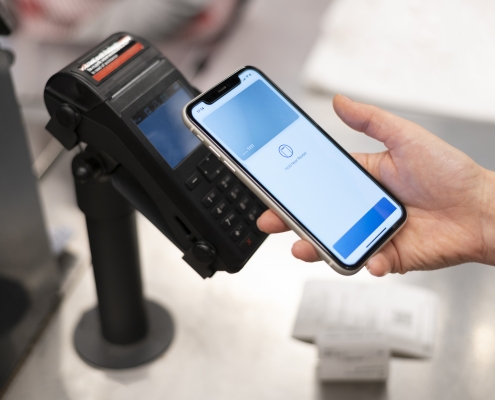 https://www.gpayments.com/blog/wp-content/uploads/2026/07/person-paying-with-its-smartphone-wallet-app-scaled.jpg
1703
2560
Zeeshan Rizvi
https://blog.gpayments.com/wp-content/uploads/2022/05/Logo_Black_on_White_lowres-300x80.png
Zeeshan Rizvi2026-07-16 12:07:152026-07-16 12:34:05Secure Payment Confirmation (SPC) and WebAuthn: Is Your ACS Ready for Passwordless 3DS?
https://www.gpayments.com/blog/wp-content/uploads/2026/07/person-paying-with-its-smartphone-wallet-app-scaled.jpg
1703
2560
Zeeshan Rizvi
https://blog.gpayments.com/wp-content/uploads/2022/05/Logo_Black_on_White_lowres-300x80.png
Zeeshan Rizvi2026-07-16 12:07:152026-07-16 12:34:05Secure Payment Confirmation (SPC) and WebAuthn: Is Your ACS Ready for Passwordless 3DS? https://www.gpayments.com/blog/wp-content/uploads/2026/05/hero-3ds-testing-certification.png
675
1200
Gelareh
https://blog.gpayments.com/wp-content/uploads/2022/05/Logo_Black_on_White_lowres-300x80.png
Gelareh2026-05-29 13:42:462026-05-19 13:43:453D Secure Testing Before Certification: How to Avoid Costly Failures
https://www.gpayments.com/blog/wp-content/uploads/2026/05/hero-3ds-testing-certification.png
675
1200
Gelareh
https://blog.gpayments.com/wp-content/uploads/2022/05/Logo_Black_on_White_lowres-300x80.png
Gelareh2026-05-29 13:42:462026-05-19 13:43:453D Secure Testing Before Certification: How to Avoid Costly Failures https://www.gpayments.com/blog/wp-content/uploads/2026/05/hero-choosing-acs-enterprise-guide.png
675
1200
Gelareh
https://blog.gpayments.com/wp-content/uploads/2022/05/Logo_Black_on_White_lowres-300x80.png
Gelareh2026-05-18 17:02:092026-05-25 14:59:39How to Choose an ACS for 3D Secure: An Enterprise Evaluation Guide
https://www.gpayments.com/blog/wp-content/uploads/2026/05/hero-choosing-acs-enterprise-guide.png
675
1200
Gelareh
https://blog.gpayments.com/wp-content/uploads/2022/05/Logo_Black_on_White_lowres-300x80.png
Gelareh2026-05-18 17:02:092026-05-25 14:59:39How to Choose an ACS for 3D Secure: An Enterprise Evaluation Guide https://www.gpayments.com/blog/wp-content/uploads/2026/05/Gemini_Generated_Image_vc8su6vc8su6vc8s.png
2048
2048
Gelareh
https://blog.gpayments.com/wp-content/uploads/2022/05/Logo_Black_on_White_lowres-300x80.png
Gelareh2026-05-14 10:33:122026-05-14 10:33:14How 3DS2 Reduces Card-Not-Present Fraud Without Hurting Conversion
https://www.gpayments.com/blog/wp-content/uploads/2026/05/Gemini_Generated_Image_vc8su6vc8su6vc8s.png
2048
2048
Gelareh
https://blog.gpayments.com/wp-content/uploads/2022/05/Logo_Black_on_White_lowres-300x80.png
Gelareh2026-05-14 10:33:122026-05-14 10:33:14How 3DS2 Reduces Card-Not-Present Fraud Without Hurting Conversion https://www.gpayments.com/blog/wp-content/uploads/2026/05/Gemini_Generated_Image_23ciik23ciik23ci-scaled.png
1396
2560
Gelareh
https://blog.gpayments.com/wp-content/uploads/2022/05/Logo_Black_on_White_lowres-300x80.png
Gelareh2026-05-07 09:08:002026-05-14 14:48:35Decoupled Authentication in EMV 3DS: Use Cases and Implementation Guide
https://www.gpayments.com/blog/wp-content/uploads/2026/05/Gemini_Generated_Image_23ciik23ciik23ci-scaled.png
1396
2560
Gelareh
https://blog.gpayments.com/wp-content/uploads/2022/05/Logo_Black_on_White_lowres-300x80.png
Gelareh2026-05-07 09:08:002026-05-14 14:48:35Decoupled Authentication in EMV 3DS: Use Cases and Implementation Guide